Breaking a Lease Early in Cayman: A Landlord's Practical Guide
2 July 2026 · 4 min read

Early lease breaks happen — job relocations, family changes, financial hardship. As a landlord in the Cayman Islands, how you handle the situation can make the difference between a smooth transition and months of headaches. Here's a practical look at what to expect and how to manage it well.
Why Tenants Break Leases Early
Before getting into process, it helps to understand the common reasons:
- Work relocation — a significant factor in Cayman, where many tenants are on work permits tied to specific employers
- Personal or family circumstances — a partner leaving the island, a relationship breakdown, or a family emergency back home
- Financial difficulty — job loss or a sudden change in income
- Property issues — maintenance problems the landlord has failed to address
Knowing the reason matters, because it shapes how flexible (or firm) you should be.
What Your Lease Should Already Say
Ideally, your lease agreement includes a clear early-termination clause. This typically covers:
- How much notice the tenant must give in writing
- Whether a break fee applies, and how it's calculated
- Conditions under which either party can exit early without penalty
If your lease doesn't address early termination, you're relying on negotiation — which is possible, but messier. It's worth having a local property lawyer review your standard lease to make sure this clause is solid. Don't assume what worked elsewhere in the world will reflect local norms or requirements here.
The Conversation with Your Tenant
When a tenant approaches you about leaving early, resist the urge to react defensively. A calm, practical conversation usually goes further than an adversarial one. Listen to their situation, then:
- Ask them to put the request in writing, even just by email
- Clarify their proposed move-out date
- Review the lease together so expectations are clear on both sides
- Discuss what they're prepared to offer — notice period, help finding a replacement tenant, etc.
Tenants who feel respected are far more likely to leave the property in good condition and cooperate with viewings for the next tenant.
Your Financial Exposure
Your main concern will be the gap between the tenant leaving and a new tenant moving in. Think through:
- Lost rent — how long might the unit sit vacant?
- Re-letting costs — advertising, agent fees if applicable, any touch-up repairs needed
- Utilities and condo fees — these don't pause while the unit is empty
A break fee (sometimes called an early-termination fee) is meant to cover some of this. Common approaches include charging one to two months' rent, or requiring the tenant to keep paying until a replacement is found — whichever comes first. What's reasonable and enforceable locally is worth checking with a Cayman-based property lawyer before you set this in your lease.
Finding a Replacement Tenant
One practical option: allow the departing tenant to help find their own replacement, subject to your approval. This can speed things up significantly. If you go this route:
- Make clear that you still screen and approve any incoming tenant
- Don't let the outgoing tenant sub-let informally — keep everything above board with a fresh lease
- Do a proper inspection before handing keys to anyone new
Handling the Security Deposit
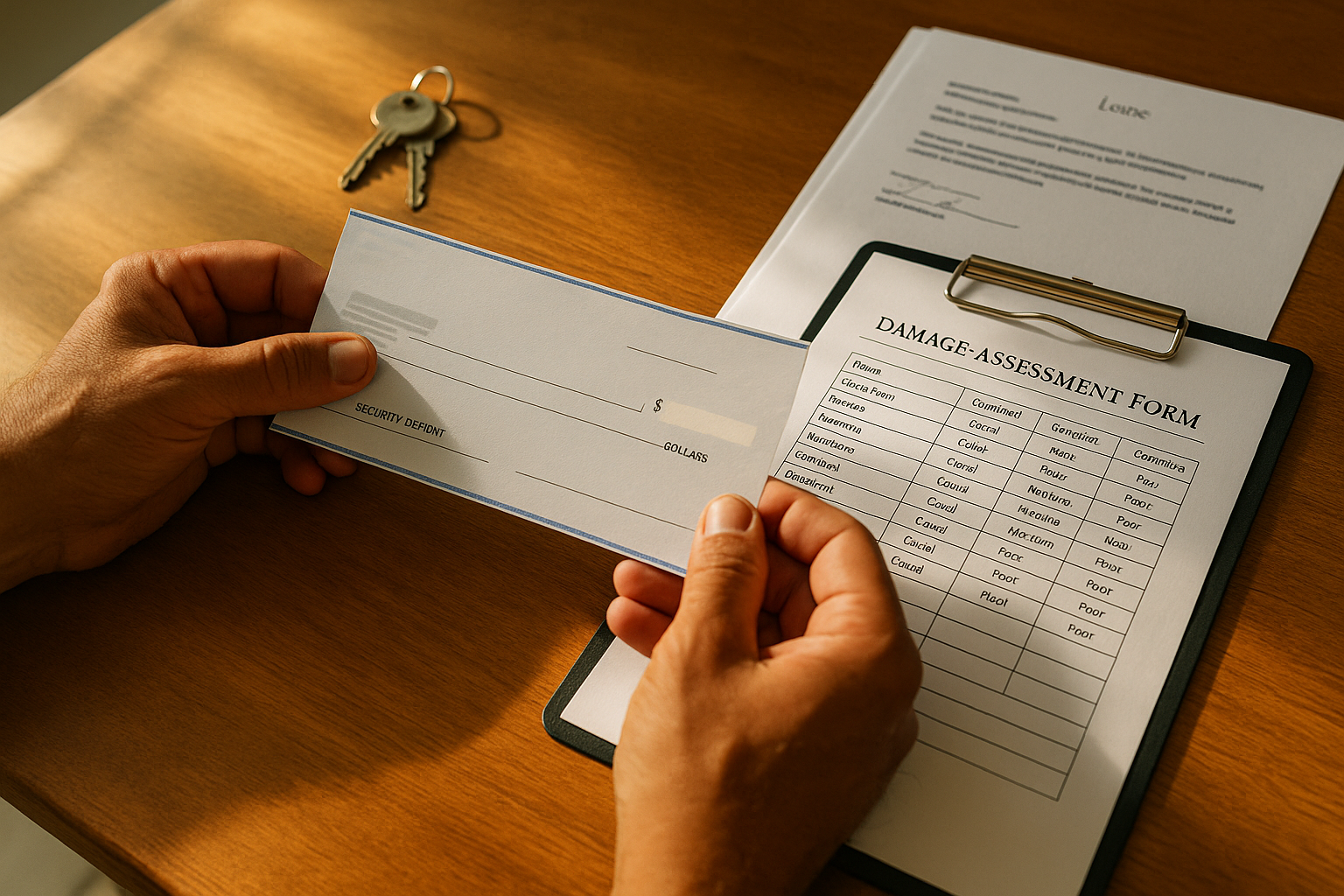
The security deposit isn't automatically the landlord's to keep when a tenant breaks a lease. It should still be reconciled against legitimate costs — unpaid rent, cleaning, damage beyond normal wear and tear. Applying it fairly (and documenting everything) protects you if there's any dispute later.
A Few Things Worth Checking Locally
The Cayman Islands rental market has its own norms, and tenancy rules can evolve. Before you finalise how you handle early exits, it's sensible to:
- Confirm current guidance with the relevant local authority
- Have a local lawyer review your lease template
- Check whether any recent changes affect landlord and tenant obligations
How CayRentManager Can Help
CayRentManager makes it easier to stay on top of the details that matter most when a tenancy ends early. From storing your signed lease and tenant correspondence in one place, to tracking rent payments and flagging gaps, the platform gives you a clear record to fall back on when things get complicated. Fewer surprises, less paperwork, and more time to focus on finding your next great tenant.