Tenant Responsibilities During a Lease: What Landlords Should Expect
12 June 2026 · 4 min read

Signing a lease is just the beginning. Once a tenant moves in, a whole set of ongoing responsibilities kicks in — and as a landlord, it helps to be clear about what those are from day one. Setting expectations upfront prevents misunderstandings, protects your property, and keeps the relationship on solid ground.
Paying Rent on Time, Every Time
This one sounds obvious, but it is worth spelling out clearly in your lease rather than assuming it goes without saying. Make sure your agreement states:
- The exact due date each month
- Acceptable payment methods (bank transfer, cheque, online platform)
- Any grace period, if you choose to offer one
- What happens if a payment is late
In Cayman, landlords often prefer direct bank transfers in KYD or USD — whichever currency your lease is denominated in. Whatever you agree on, document it. Verbal arrangements have a habit of being remembered differently by each party.
Reporting Maintenance Issues Promptly
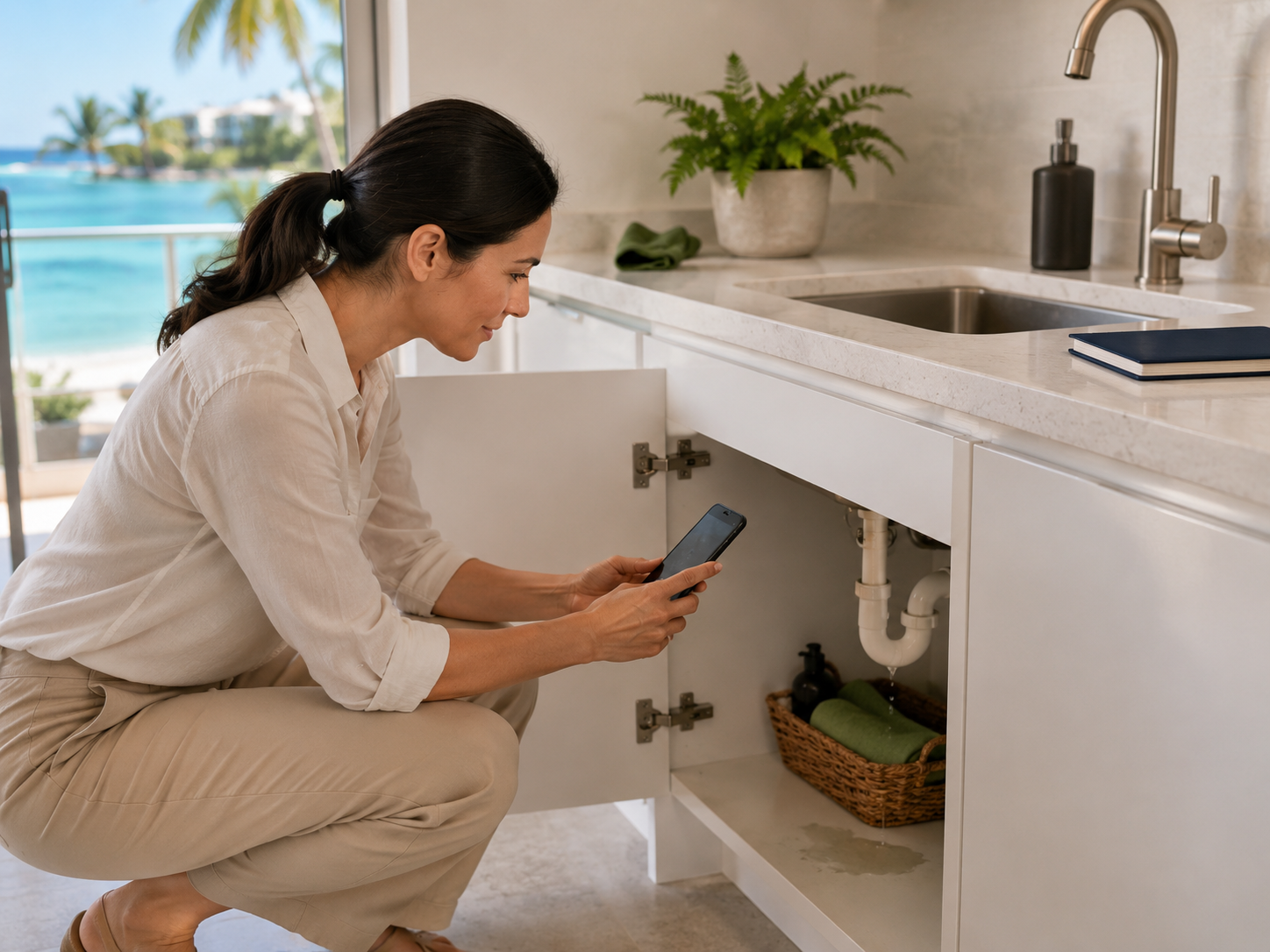
One of the most important — and most overlooked — tenant responsibilities is timely reporting of maintenance problems. A small roof leak ignored for two months can turn into a significant repair bill. Make it easy for tenants to report issues and be explicit in the lease that they are expected to do so without delay.
It is also worth distinguishing in writing between:
- Landlord responsibilities — structural repairs, appliances you own, plumbing, electrical systems
- Tenant responsibilities — minor wear and tear upkeep, replacing light bulbs, keeping drains clear
In the Cayman climate, things like mould, salt air corrosion, and hurricane preparedness are particularly relevant. If you have specific expectations around these — for example, that tenants close hurricane shutters during a storm warning — put that in the lease.
Caring for the Property Day to Day
Tenants are generally expected to keep the property reasonably clean and avoid causing damage beyond normal wear and tear. But "reasonable" can mean different things to different people, so be specific where you can.
Consider including guidance on:
- Garden and grounds — is the tenant responsible for lawn care, or do you handle it? If you have tropical landscaping, clarify expectations around watering and basic upkeep.
- Air conditioning filters — in Cayman's heat and humidity, regular filter cleaning genuinely matters. Note whose job it is.
- Pest control — routine prevention is usually the tenant's responsibility, while structural infestations typically fall to the landlord. Spell it out.
- Pool maintenance — if the property has a pool, state clearly whether a service is included or whether the tenant arranges it themselves.
Utilities and Services
Make sure your lease is explicit about which utilities are the tenant's responsibility to set up and pay. In Cayman, this typically includes electricity through CUC, water, and internet or cable. Some landlords include certain services in the rent — if you do, confirm what is covered and what is not.
Also clarify what happens at the end of the tenancy regarding final meter readings and account closures. Tenants leaving accounts open or abandoning unpaid bills can create headaches for landlords, so setting expectations in advance is worth the effort.
Respecting Lease Terms and Neighbours

Beyond the practical side, tenants are responsible for abiding by the terms they signed — which includes things like:
- Not subletting without permission
- Observing any no-pets or no-smoking clauses
- Keeping noise at reasonable levels, particularly in condos or townhouse complexes with shared walls
- Notifying you before making any alterations to the property
In strata developments across Cayman, there may also be body corporate or homeowners' association rules that tenants are expected to follow. Make sure your tenants receive a copy of any relevant rules at move-in — and keep a record that they received them.
When Tenants Fall Short
Even with the best lease in place, issues can arise. If a tenant is not meeting their responsibilities, document everything — photographs, written communications, dates. Address concerns in writing early rather than letting things build. A calm, professional conversation at the first sign of a problem is almost always easier than dealing with it after months of frustration on both sides.
---
Keeping track of maintenance requests, payment records, and lease compliance across multiple properties takes time. CayRentManager is built to help Cayman landlords manage exactly this — from logging repair reports to tracking rent payments — so nothing slips through the cracks.